
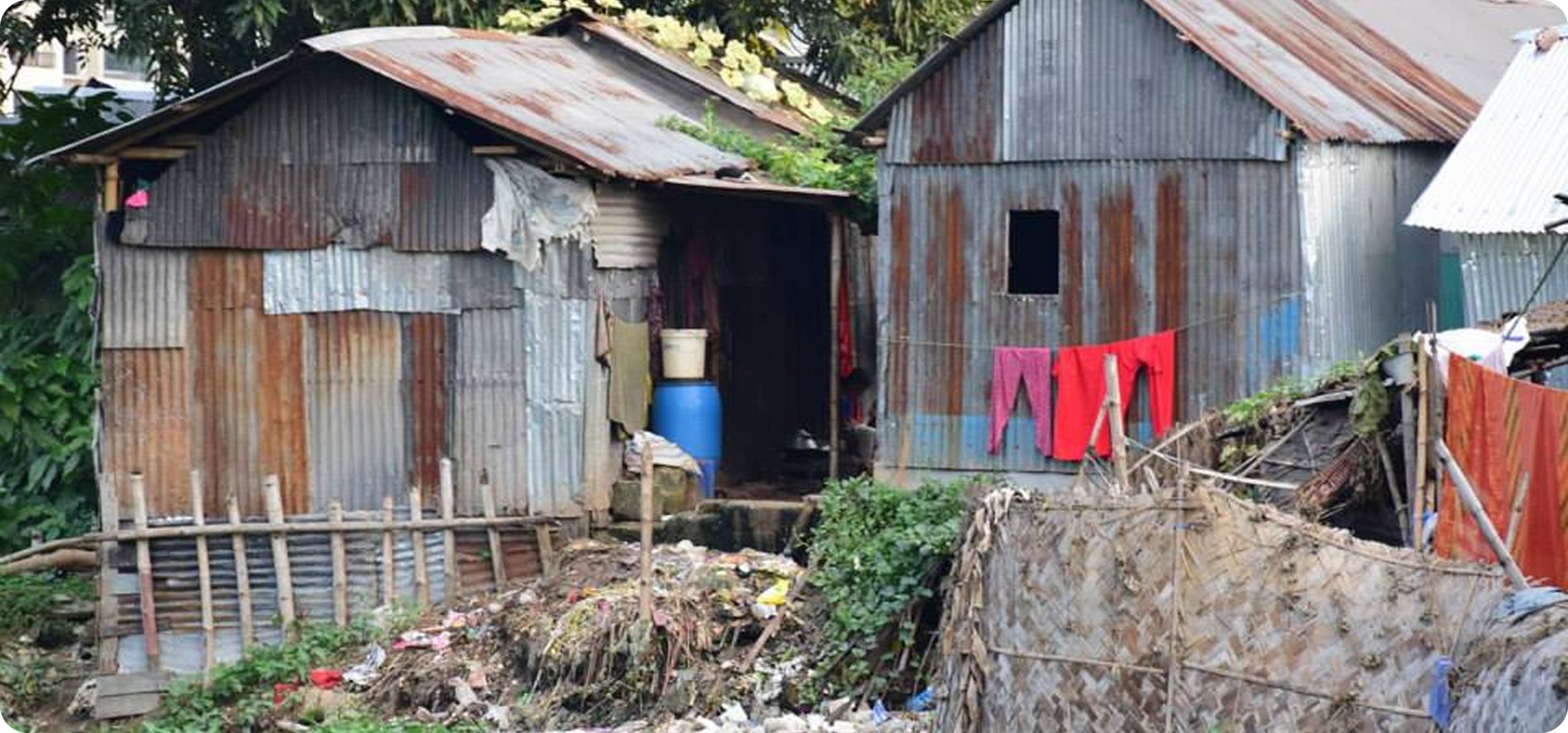
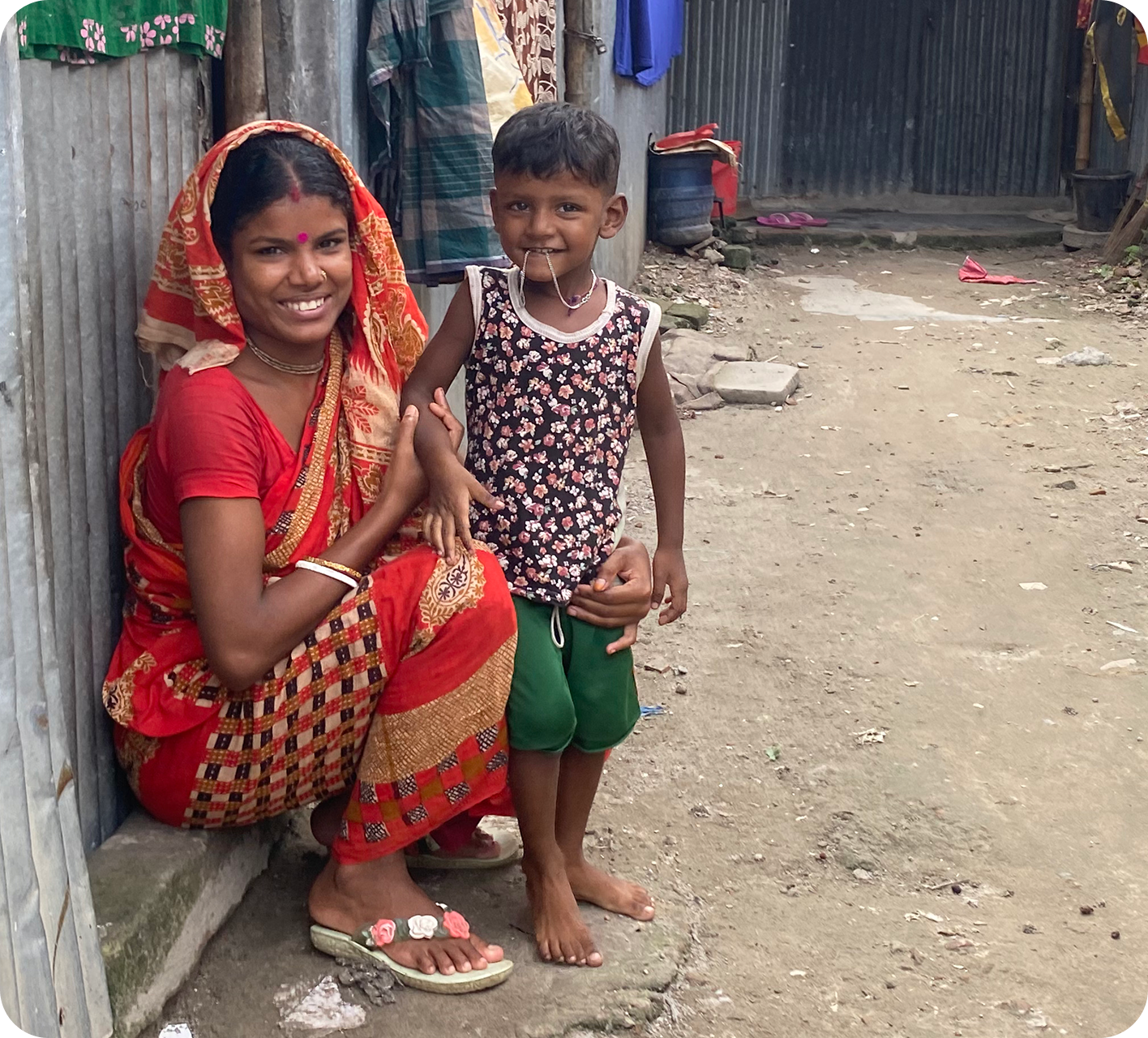
Across Bangladesh and the Philippines, millions of children face hunger every day. The challenges of poverty keep children out of school and limit their chance for a better future.
Why Bangladesh?
Poverty & Food Insecurity
- Over 40 million people live below the national poverty line (World Bank).
- Food inflation makes nutritious food unaffordable for low‑income families (World Bank).
- Poor urban families in Dhaka spend up to 70% of income on food (FAO).
Education Barriers
- 1 in 4 of the poorest children doesn’t go to school (UNICEF).
- Children from food‑insecure households are most likely to miss school (WFP).
- Attendance drops during lean seasons, when families cannot afford food (WFP).
High Cost of Child Malnutrition
- 28% of children under five have stunted growth due to insufficient food (UNICEF).
- 11% of children are wasted, one of the highest rates in South Asia (UNICEF).
- 38% of children receive a minimally acceptable diet (UNICEF).
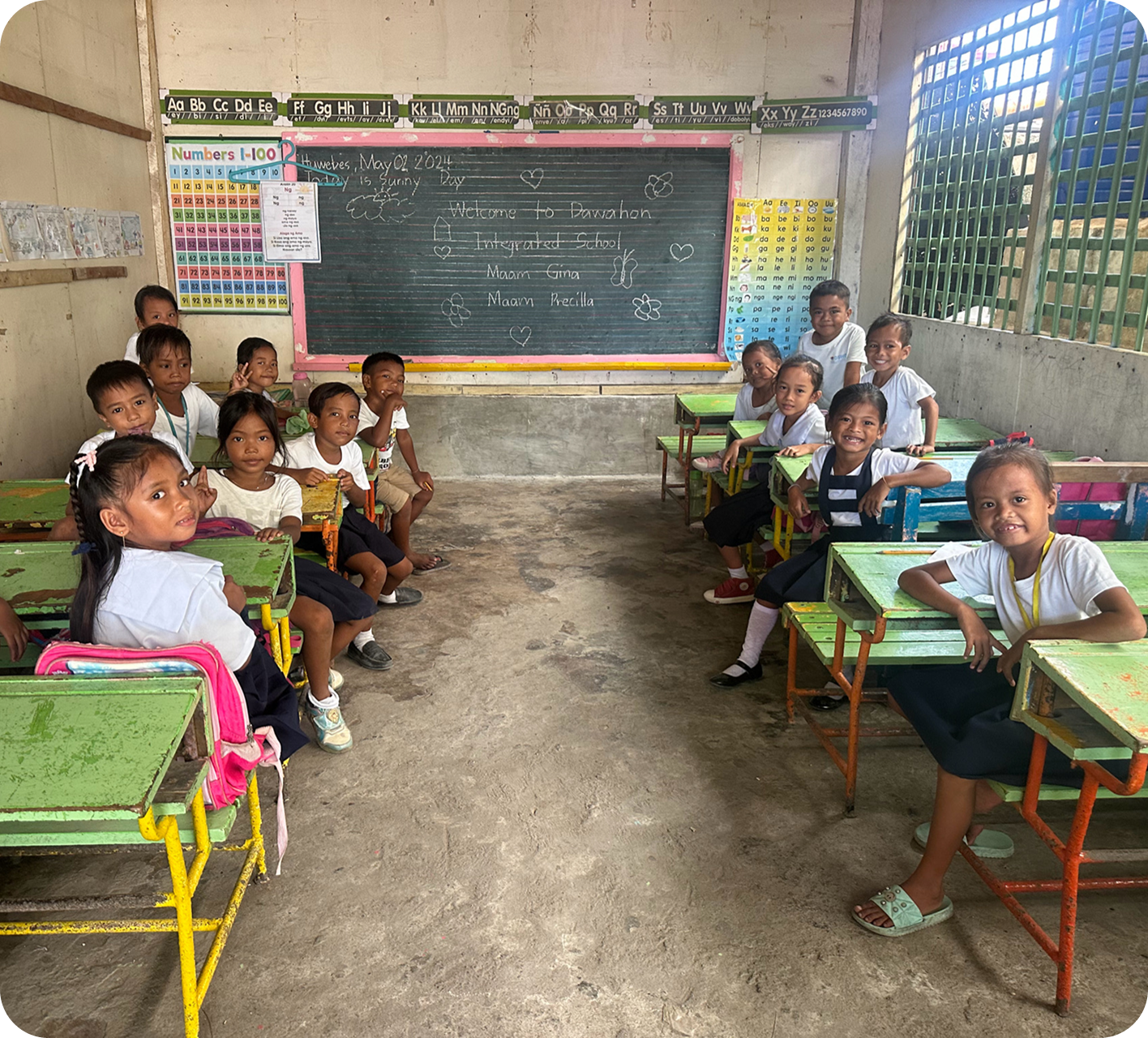
Why The Philippines?
Food-Access Challenges
- 3.6 million Filipino families experience hunger (Social Weather Stations).
- Food prices in the Philippines are among the highest in ASEAN (World Bank).
- Weather disrupts boat transport of food for island communities (UN OCHA).
Education Disruptions Linked to Hunger
- The Philippines has one of the highest absenteeism rates in the region due to hunger (Department of Education).
- 1 in 10 children in poor and rural areas is not attending school (UNESCO).
- Undernourished children have lower attendance and poorer learning outcomes, reinforcing cycles of poverty (UNICEF).
Widespread Child Undernutrition
- 1 in 3 Filipino children is stunted (Philippine National Nutrition Survey).
- 7% of Filipino children are wasted, indicating acute hunger (NNS).
- Stunting rates exceed 40%, in some rural and island communities, among the highest in Southeast Asia (UNICEF).
Change Lives with School Meals
Donate