
A school meal is often the difference between dreaming bigger and dropping out.
Discover the impact unfolding in the communities we serve.
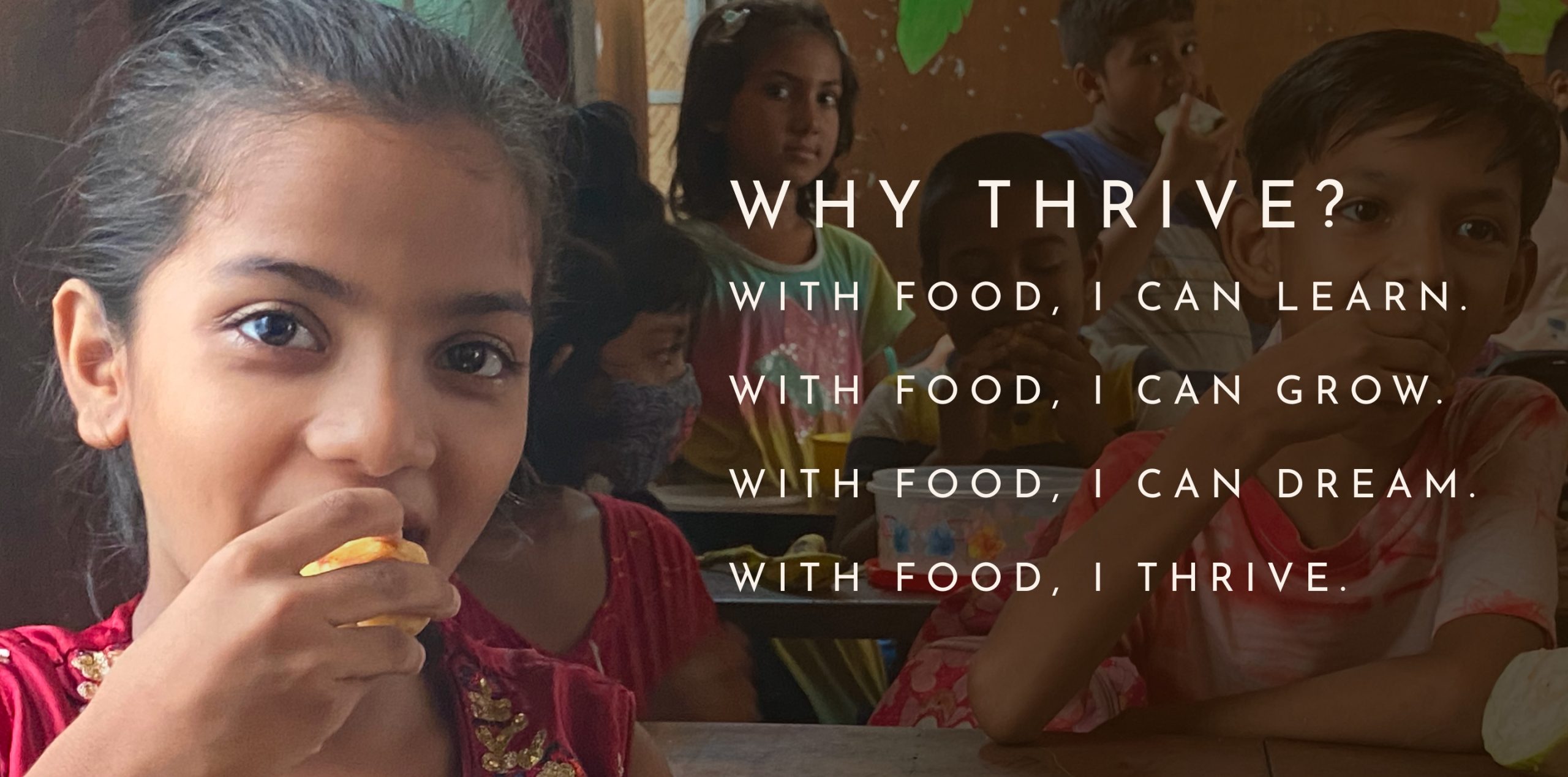
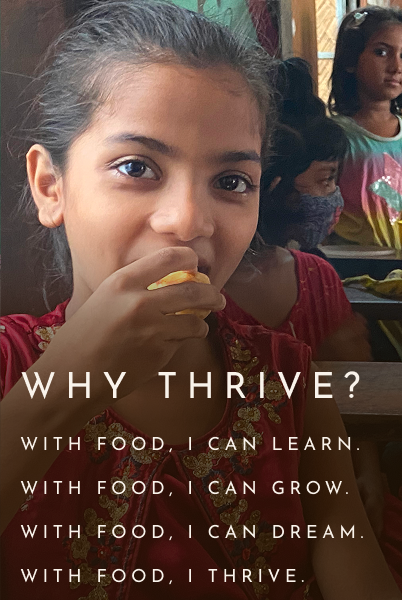
5.5 million+
school meals
delivered since 2012
3,900+
school meals
served daily
FUELING EDUCATION &
DEVELOPMENT
DEVELOPMENT
Fueling Education &
Development
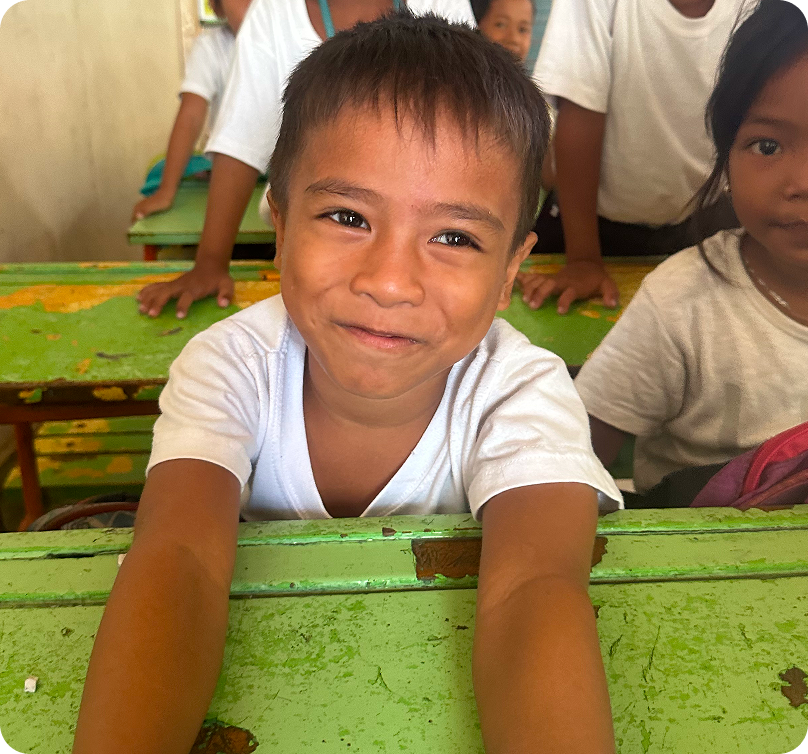
When students know they’ll eat at school, attendance rises and enrollment stays strong.
PROVIDING DAILY
NUTRITION
NUTRITION
Providing
Daily
Nutrition
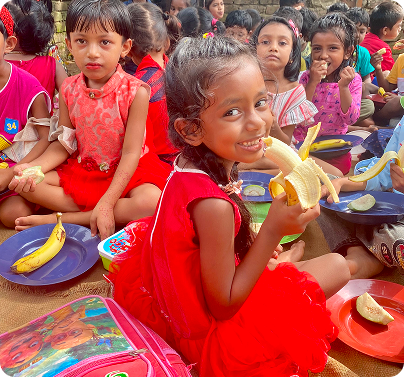
Regular school meals help children learn and grow strong.
LIFTING UP
COMMUNITIES
COMMUNITIES
Lifting Up
Communities
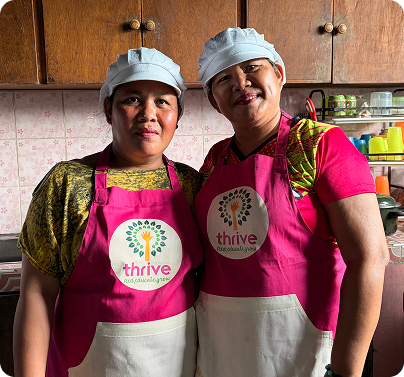
School meals don’t just feed students — they fuel families. Hiring moms to cook Thrive meals and sourcing food locally strengthens entire villages.
THRIVE SCHOOL MEALS ARE A LIFELINE.
IN THE COMMUNITIES WE SERVE, THERE IS NO BACKUP.
WITHOUT THRIVE, HUNGER TAKES OVER AND LEARNING SUFFERS.
THRIVE OPENS THE DOOR TO OPPORTUNITY.
IN THE COMMUNITIES WE SERVE, THERE IS NO BACKUP.
WITHOUT THRIVE, HUNGER TAKES OVER AND LEARNING SUFFERS.
THRIVE OPENS THE DOOR TO OPPORTUNITY.
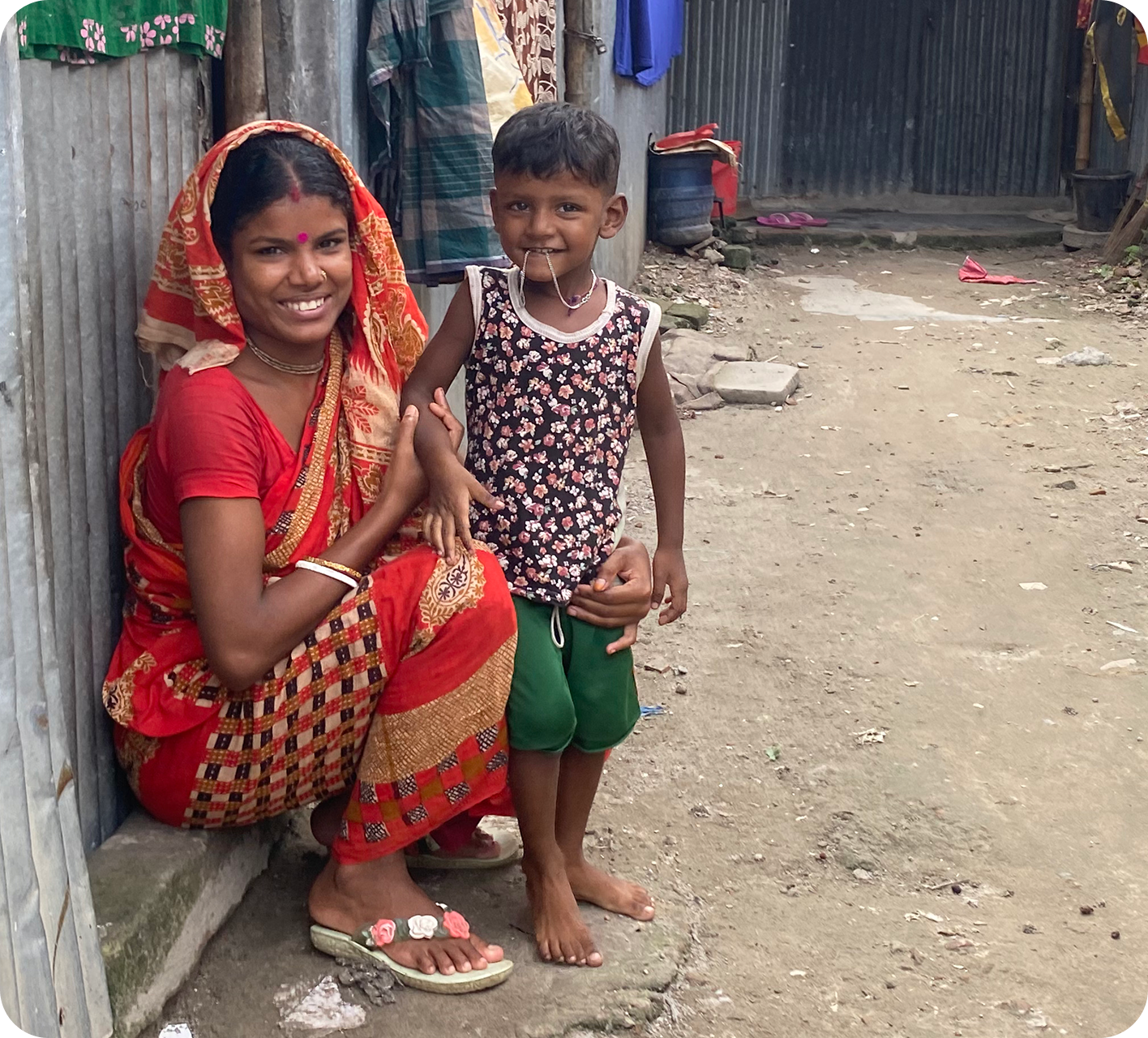
Severe Poverty & Food Insecurity
- Over 40 million people live below the national poverty line (World Bank).
- Food inflation makes nutritious food unaffordable for low‑income families (World Bank).
- Poor urban families in Dhaka spend up to 70% of income on food (FAO).
Education Barriers
- 1 in 4 of the poorest children doesn’t go to school (UNICEF).
- Children from food‑insecure households are most likely to miss school (WFP).
- Attendance drops during lean seasons, when families cannot afford food (WFP).
High Cost of Child Malnutrition
- 28% of children under five have stunted growth due to insufficient food (UNICEF).
- 11% of children are wasted, one of the highest rates in South Asia (UNICEF).
- Just 38% of children receive a minimally acceptable diet (UNICEF).
Food-Access Challenges
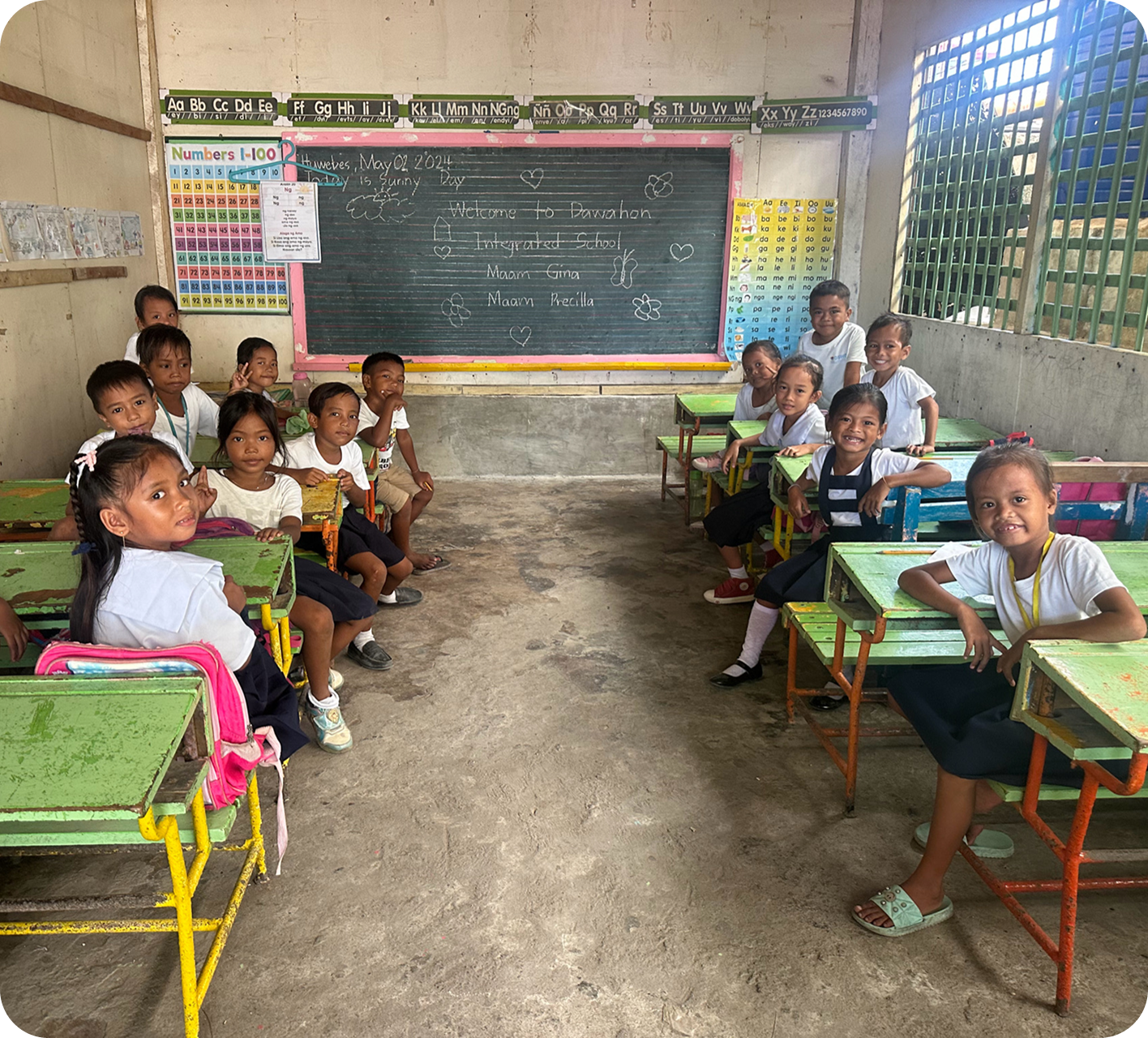
- 3.6 million Filipino families experience hunger each quarter (Social Weather Stations).
- Food prices in the Philippines are among the highest in ASEAN (World Bank).
- Weather disrupts boat transport of food for remote island communities (UN OCHA).
Education Disruptions Linked to Hunger
- The Philippines has one of the highest absenteeism rates in the region due to hunger (Department of Education).
- 1 in 10 school‑age children in poor and rural areas is not attending school (UNESCO).
- Undernourished children have lower attendance and poorer learning outcomes, reinforcing cycles of poverty (UNICEF).
Widespread Child Undernutrition
- Nearly 1 in 3 Filipino children is stunted (Philippine National Nutrition Survey).
- 7.2% of Filipino children are wasted, indicating acute hunger (NNS).
- Stunting rates exceed 40%, in some rural and island communities, among the highest in Southeast Asia (UNICEF).
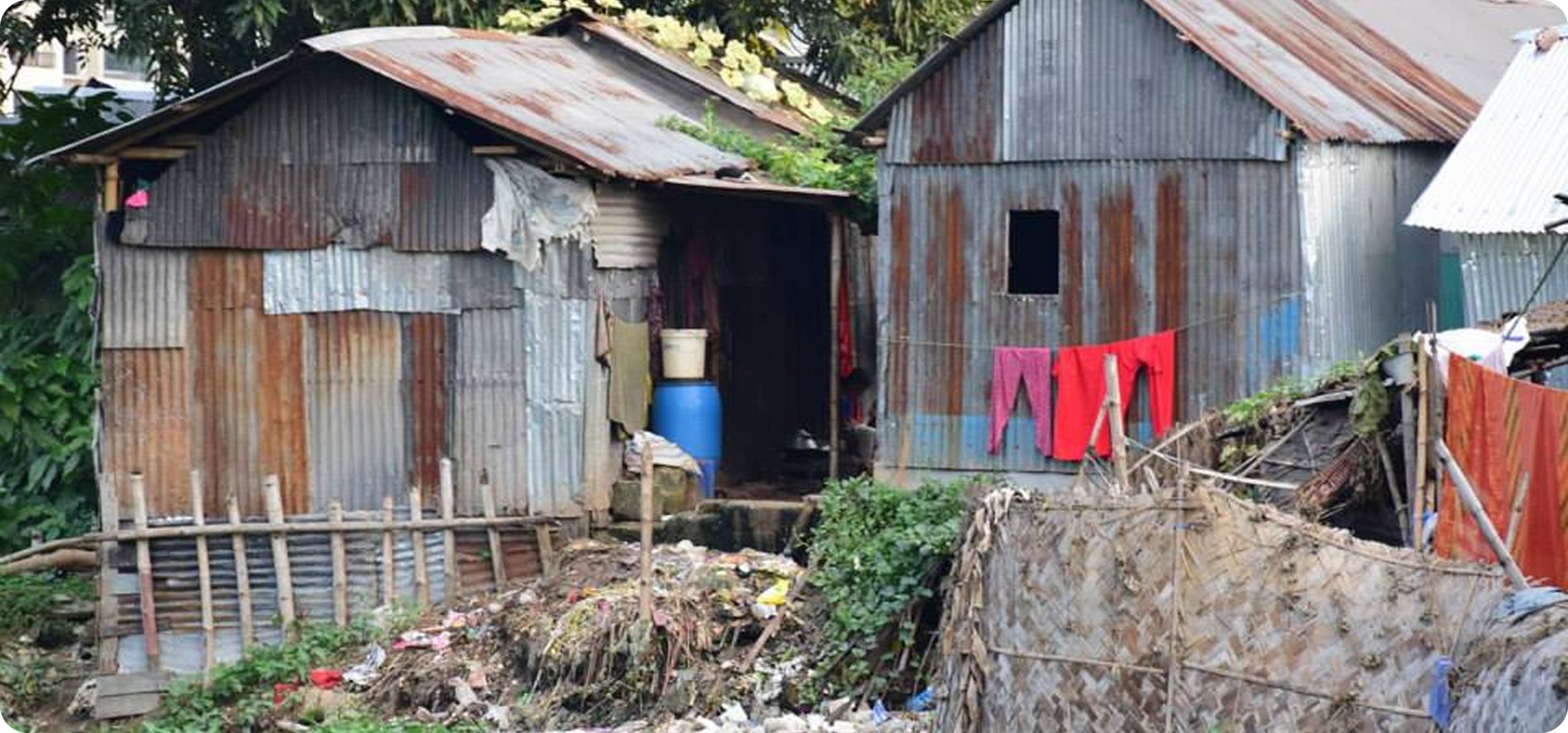
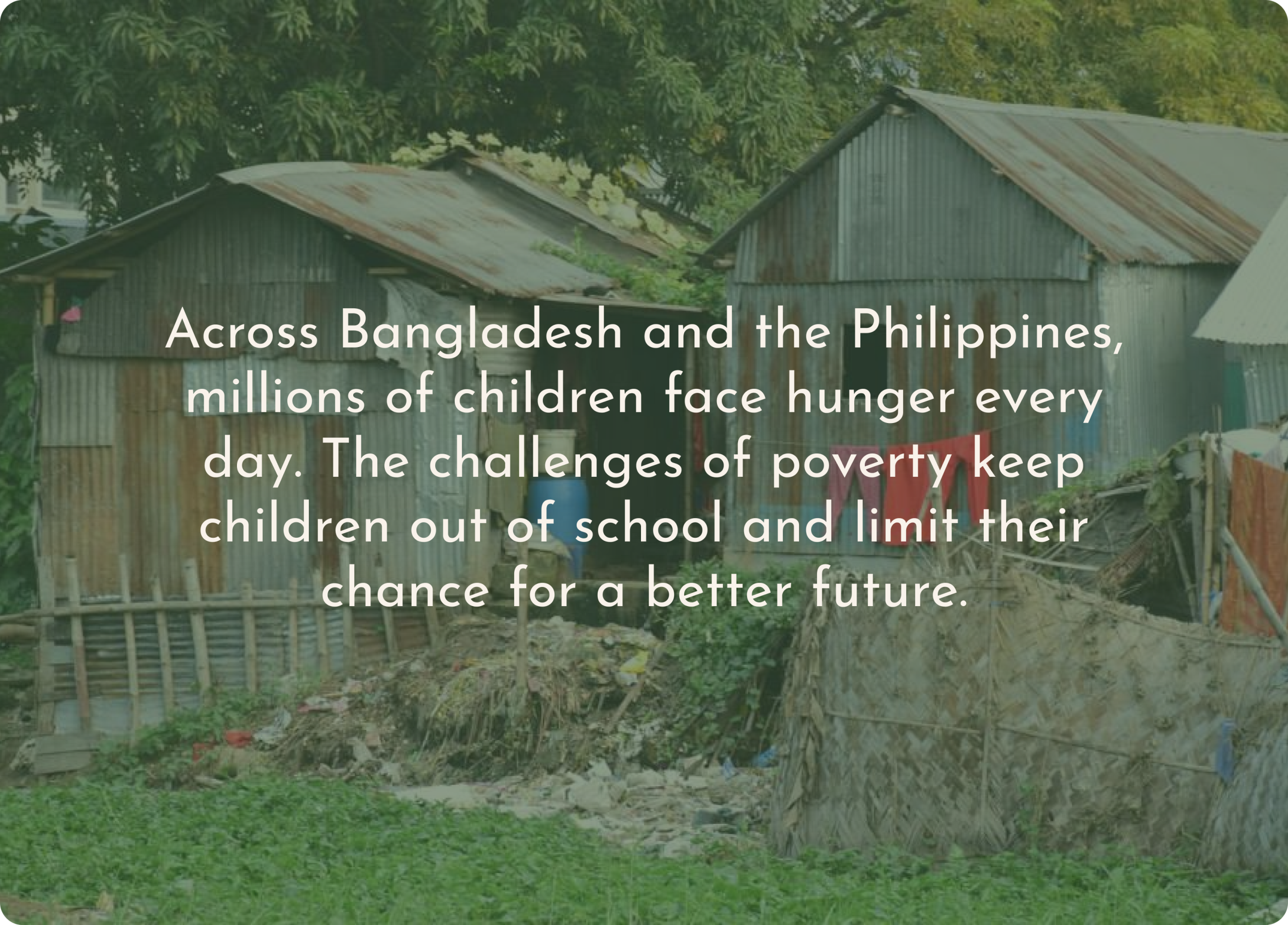
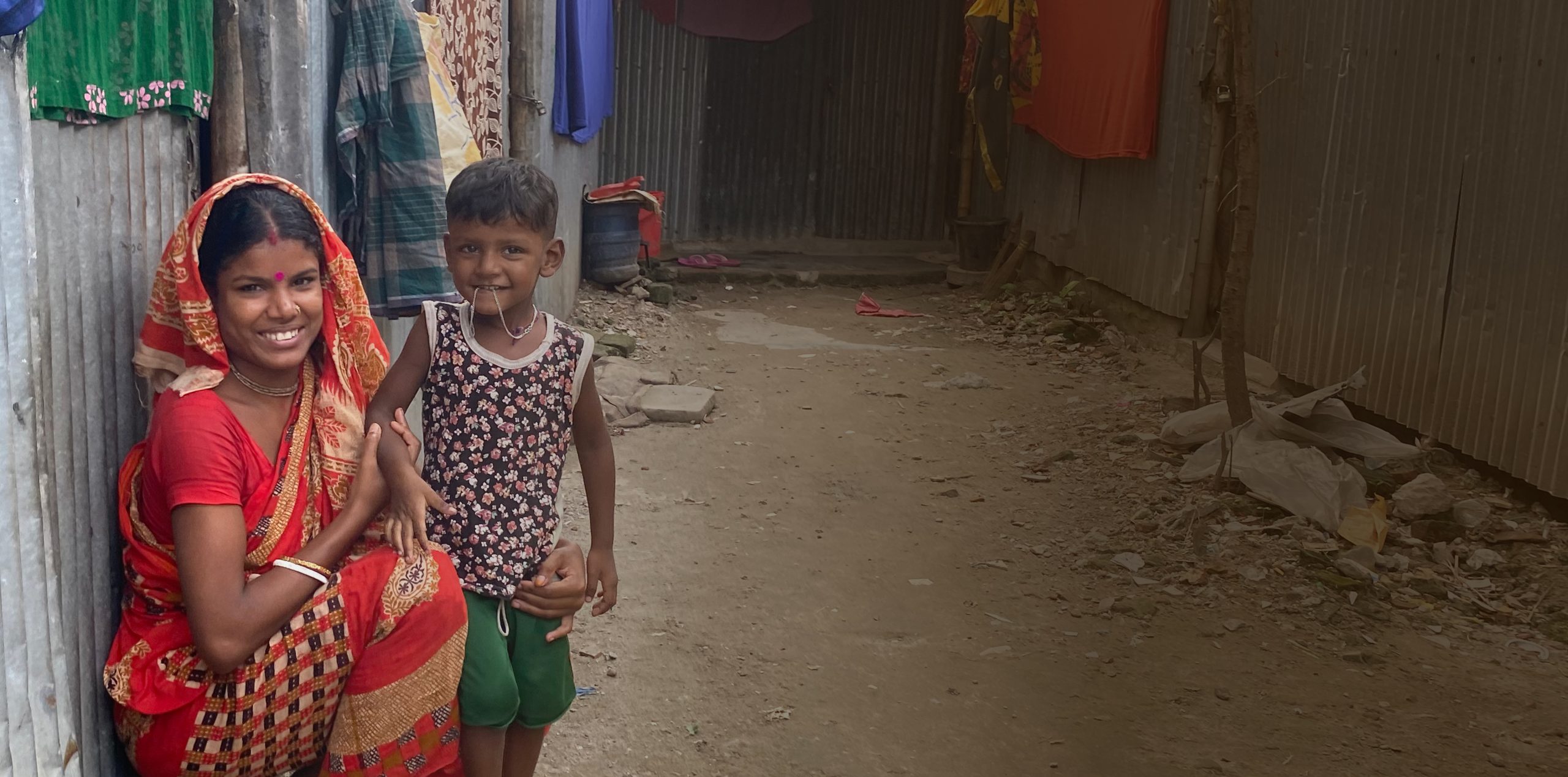
Across Bangladesh and the Philippines, millions of children face hunger every day. The challenges of poverty keep children out of school and limit their chance for a better future.
Severe Poverty & Food Insecurity
- Over 40 million people live below the national poverty line (World Bank).
- Food inflation makes nutritious food unaffordable for low‑income families (World Bank).
- Poor urban families in Dhaka spend up to 70% of income on food (FAO).
Education Barriers
- 1 in 4 of the poorest children doesn’t go to school (UNICEF).
- Children from food‑insecure households are most likely to miss school (WFP).
- Attendance drops during lean seasons, when families cannot afford food (WFP).
High Cost of Child Malnutrition
- 28% of children under five have stunted growth due to insufficient food (UNICEF).
- 11% of children are wasted, one of the highest rates in South Asia (UNICEF).
- Just 38% of children receive a minimally acceptable diet (UNICEF).
Food-Access Challenges
- 3.6 million Filipino families experience hunger each quarter (Social Weather Stations).
- Food prices in the Philippines are among the highest in ASEAN (World Bank).
- Weather disrupts boat transport of food for remote island communities (UN OCHA).
Education Disruptions Linked to Hunger
- The Philippines has one of the highest absenteeism rates in the region due to hunger (Department of Education).
- 1 in 10 school‑age children in poor and rural areas is not attending school (UNESCO).
- Undernourished children have lower attendance and poorer learning outcomes, reinforcing cycles of poverty (UNICEF).
Widespread Child Undernutrition
- Nearly 1 in 3 Filipino children is stunted (Philippine National Nutrition Survey).
- 7.2% of Filipino children are wasted, indicating acute hunger (NNS).
- Stunting rates exceed 40%, in some rural and island communities, among the highest in Southeast Asia (UNICEF).
ABOUT OUR PARTNER SCHOOLS
A school meal is often the difference between dreaming bigger and dropping out. Discover the impact unfolding in the communities we serve.
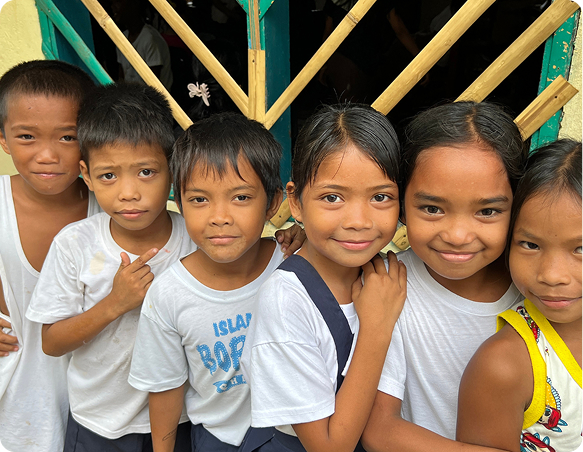
WHERE WE WORK:
SCHOOLS WITH THE HIGHEST NEED
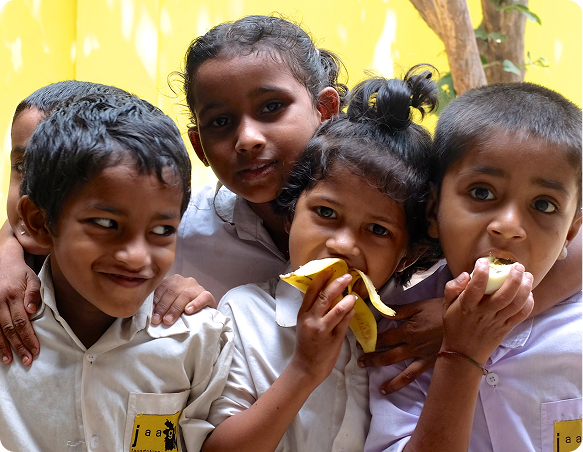
We choose schools where children are kept out of the classroom by hunger and where no other meal program exists. These are communities with no fallback. Without Thrive, children simply go without.
How We Select Schools: Local Leaders Guide Us
Principals, teachers, mothers, and community leaders already know what their children need. We partner with these local champions to deliver school meals that are rooted in the community and reach the most vulnerable children.
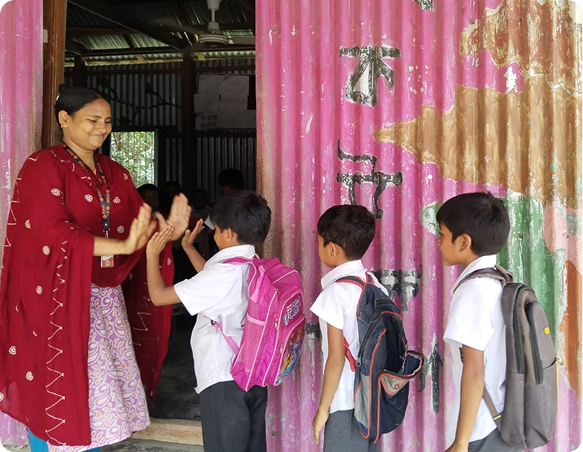
Why We Stay: Our Long-Term Commitment
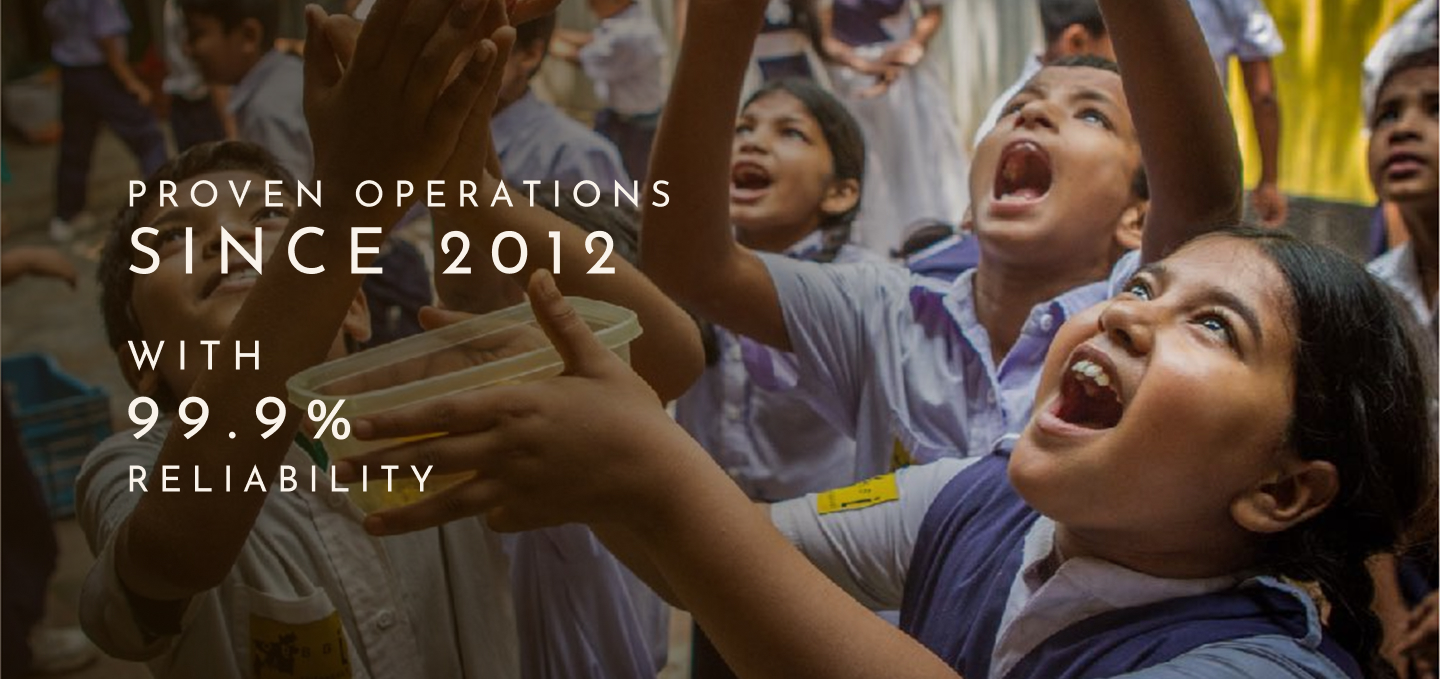
Consistency is everything. Once Thrive begins serving a school, we are committed for the long haul. It’s when we show up year after year that school meals bring about lasting change.
Thrive’s Impact
5.5 million+
school meals
delivered since 2012
3,900+
school meals
served daily
15%+
increase in school attendance
17%+
increase in enrollment
What Makes Thrive Unique
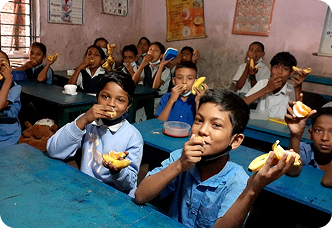
Daily school meals:
Children know they’ll eat every school day.
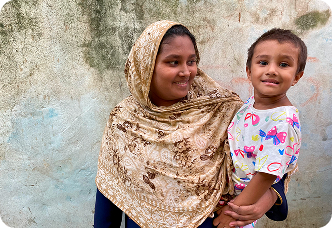
Fills nutritional gaps:
Meals approved by moms; loved by kids.
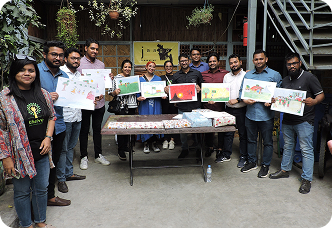
Community led:
In-country leadership and investment.
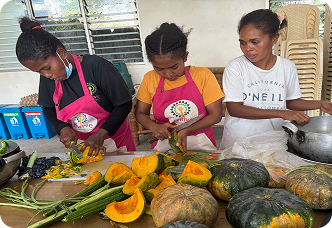
Employment opportunity:
Local mothers paid to prepare Thrive meals.
Change Lives with School Meals
Donate